
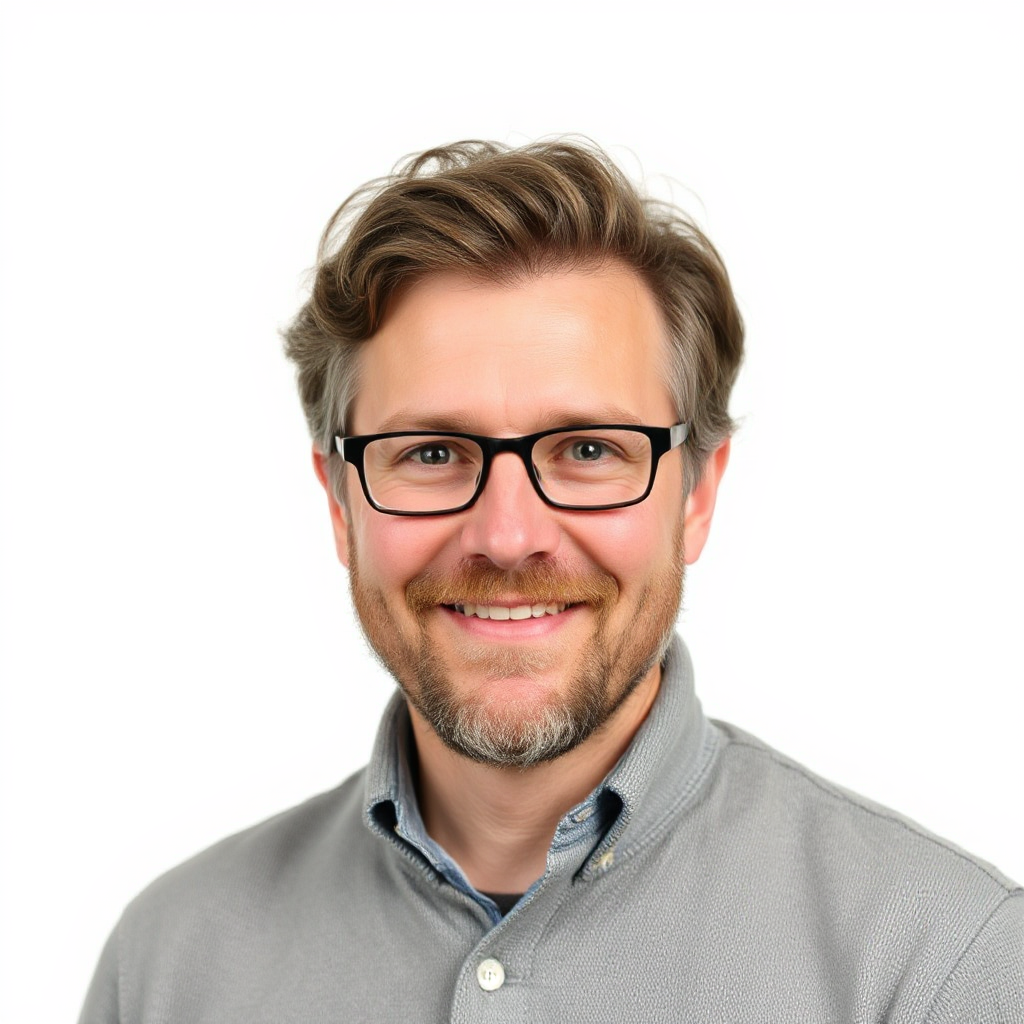
The deceased US VP Dick Cheney, who died at age 84, was seen as among the most significant holders of the vice-presidency in US history. Although numerous second-in-commands had to settle for peripheral or ceremonial functions, Cheney exercised substantial power during the presidency of George W Bush, to such an extent that he was frequently called as the "real president".
Bush resented such a characterisation and said the dynamic was more complicated. He noted that Cheney was deferential, always referring to him in public as Mr President, while he referred to him as Dick. Bush challenged even portrayals of their relationship as a collaboration because it implied that they were equals. In spite of these denials, Cheney found the laidback president pliable on a wide array of governmental choices.
The Period Following the Attacks
Leading of a faction of neo-conservatives that included defence secretary Donald Rumsfeld and deputy defence secretary Paul Wolfowitz, he pushed hard for the military intervention of Iraq in 2003 in reaction to the terrorist strikes on New York and Washington. During of the 9/11 strike, Bush had been attending a session at a elementary school in Florida. As Bush headed for a secure location in Nebraska, Cheney took command, commanding the shooting down of any unidentified aircraft heading toward the US Capitol.
Cheney said the assaults changed him, making him become focused on retribution. Along with other conservative figures, including Rumsfeld and Wolfowitz, he campaigned for a occupation of Afghanistan in an endeavor to seize Osama bin Laden. Cheney then vigorously pushed for the military action of Iraq, though there was little proof of Saddam Hussein playing a role.
Disputed Decisions
He showed no remorse about the invasion, in which an reckoned 100,000 Iraqis perished, or about the waterboarding of suspects apprehended after 9/11. He informed CNN in 2015 that the Iraq invasion effort, which was founded on inaccurate reports repeated by Cheney, was the right course of action. "It proved to be the right thing to do at that time. I believed it at the time and I hold that view presently."
Yet during that period, there were opposing views at a high level about the poor management of Iraq. One of the administration's own delegates to the region, General Anthony Zinni (2001-03), was not reappointed from the position. "I witnessed, at the very least," he wrote later "true dereliction, carelessness, and recklessness: at worst, falsehoods, ineptitude, and graft."
Broader Context
Cheney was not entirely responsible for the Iraq campaign. Before 9/11, Wolfowitz had called for comparable steps. He had drafted a memorandum detailing scenarios in which US concerns might be endangered (featuring "obtaining essential resources, mostly Persian Gulf oil"). Wolfowitz had asserted that "America should be positioned to act independently when cooperative measures prove impossible," explicitly citing military moves against Iraq.
Bush too had arrived in the White House generally inclined on implementing what his parent had specifically avoided to do in 1991; remove Saddam. Following he had been fired by the administration, the treasury secretary Paul O'Neill recounted how, at the first meeting of the National Security Council in January 2001, Bush had announced his intention of diminishing America's involvement in the Israeli-Palestinian conflict and proposed defense operations against Iraq.
Bush bore a individual resentment against Saddam, thinking he had been involved in a plot to assassinate his father, President George HW Bush, on a journey to Kuwait in 1993. He furthermore resented that one of the most prominent accommodations in Baghdad had a ground design with a portrait of his father's face that each person had to step on.
Interrogation Methods
However it was Cheney who was one of the most vehement behind invading Iraq, frequently quoting intelligence reports that were both weak or completely deceptive. He supported what the Bush government indirectly described as "advanced techniques", the application of interrogation method and physical pressure.
Addressing a Senate analysis in 2014 that found that no actionable intelligence had resulted from the torture, Cheney disregarded the conclusions as "riddled with crap". He stated to Fox News: "We requested [the CIA] to establish protocols and establish initiatives to catch the individuals who murdered 3,000 of us on 9/11 and guarantee it was not repeated. That is precisely what they did and they deserve a lot of credit."
Public Persona
Cheney reveled in monikers given to him by critics such as the Star Wars villain and the dark figure, and by the notion that he was a dark force directing Bush. In the journalist's 2013 volume about the duo, Days of Fire: Bush and Cheney in the White House, Cheney is cited as commenting: "Do I represent the malevolent mastermind in the corner that operates invisibly come out of his lair? It's a nice way to operate, truthfully."
Commercial Ties
Debate over his corporate affiliations accompanied him during his tenure as second-in-command. While he had limited background in commerce but good contacts in defence, notably in Saudi Arabia, he was invited to join Halliburton, one of the world's most substantial energy corporations, in 1995 as chairman and top executive.
In 2000 he became Bush's VP candidate for the White House. Contentiously, during the conflict in Iraq, Halliburton was given US contracts valued at substantial sums.
It made him rich. His annual income during his tenure at the company increased from his quarter-million dollars when he was Pentagon chief to $4.4m. When he departed in 2000 he had a package totaling over $20m|twenty
